devops
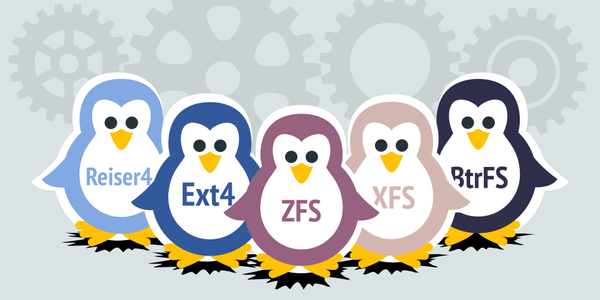
Linux 101: Filesystem
In Linux, everything is considered a file, including devices and system resources.
devops
In Linux, everything is considered a file, including devices and system resources.
devops
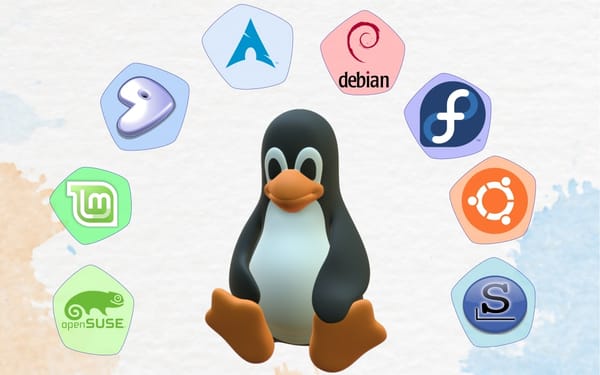
Linux is a free, open-source operating system (OS) based on UNIX created by Linus Torvalds in 1991.

devops
Think of the Linux Kernel as the heart of the Linux operating system, pumping life into your computer.
devops
At its core, Docker is an open-source platform designed to facilitate the process of containerization. It enables developers to package an application along with its libraries, dependencies, and other requirements within a standalone unit known as a container.

devops
Tekton is an open-source project that provides Kubernetes-style resources for declaring CI/CD-style pipelines.
devops
Google Cloud Storage was publicly launched in 2010 as a competitor to other cloud-based storage services such as Amazon S3.

devops
OpenFaaS is an open-source platform that makes it easy for developers to deploy event-driven functions and microservices to Kubernetes without repetitive, boiler-plate coding.
devops
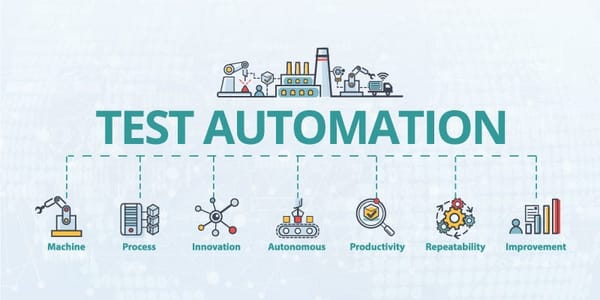
In the modern era of software development, rigorous testing is no longer a luxury—it's a necessity. Testing ensures that software functions as intended and helps maintain high quality and reliability.
devops
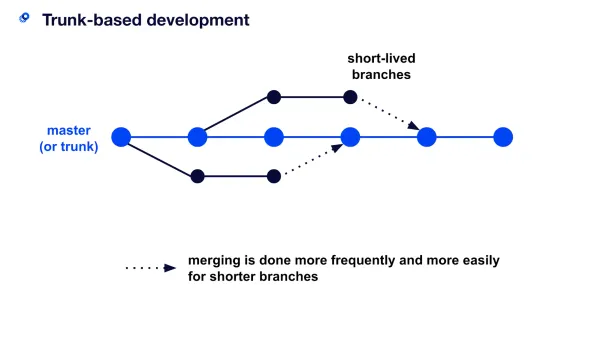
Trunk-based development is a source code management strategy where all developers work on a single branch, often referred to as 'trunk' or 'main'.
devops
MinIO is an open-source, high-performance, and cloud-native object storage system. It is designed for large-scale private and public cloud infrastructure.
devops
Unleash is a comprehensive feature management system, born out of the need for developers to have more control over their software's features in different environments.
devops
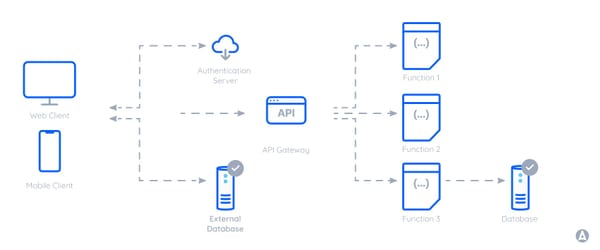
Serverless refers to an approach in which the infrastructure that runs and scales applications is managed by a third-party service provider, rather than being handled in-house.