
Harbor: Install Open Source Container Registry on Kubernetes
Harbor is an open-source container registry that helps developers and organizations store, manage, and distribute container images and Helm charts.
Harbor is an open-source container registry that helps developers and organizations store, manage, and distribute container images and Helm charts.

To guarantee seamless, repeatable builds and production deployments, it is essential to write effective, safe, and maintainable Dockerfiles. Hadolint, a Dockerfile linter, is one tool that aids with this endeavor.

Large images not only consume more resources, but they can also slow down deployment times and introduce security risks. This is where Slim Toolkit comes into play.
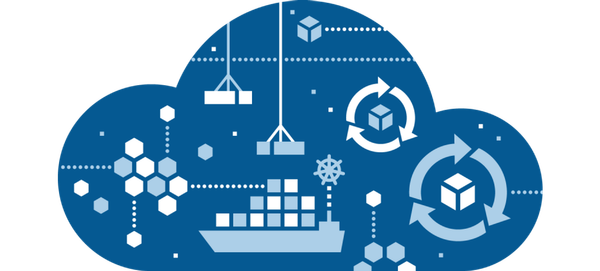
The appeal of Kubernetes lies in its ability to automate the management of containers, scale applications effortlessly, and provide high levels of resilience and availability. As a result, many assume that Kubernetes is the best way to deploy every application.

The cloud has revolutionized the way businesses deploy and scale their applications, but as usage grows, so do the costs. One of the key aspects that many companies overlook is the optimization of cloud resources and pricing models.
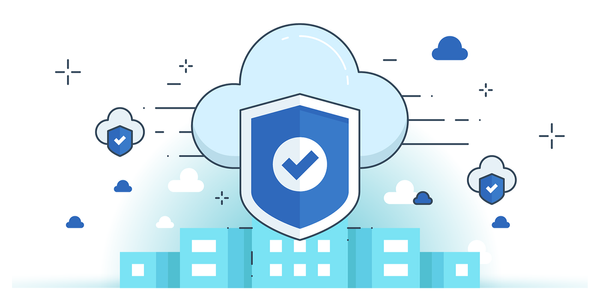
Security lifecycle management is the practice of securing and protecting digital assets through a structured, ongoing process.

A private cloud offers businesses full control over their data, a more predictable cost structure, and the ability to leverage cutting-edge open-source technologies.

Unlike traditional models, which assume trust within the network perimeter, Zero Trust adheres to the principle of “never trust, always verify.”
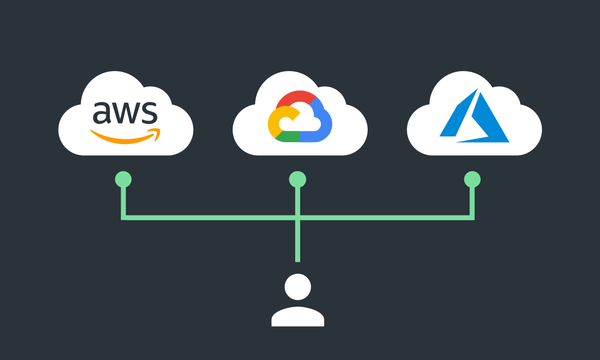
Vendor-agnostic design ensures that organizations can migrate between cloud providers or move to private clouds with minimal disruption, offering freedom and flexibility in managing their infrastructure.
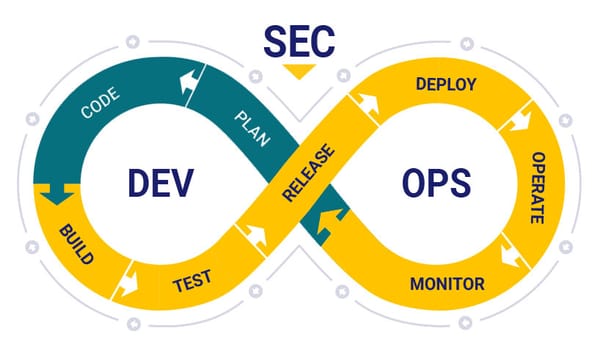
Integrating security into every phase of the Software Development Life Cycle (SDLC) is crucial to ensure that vulnerabilities are identified and addressed early, preventing potential breaches and attacks in the future.

With increasing cloud costs and the growing need for control over infrastructure, many organizations are exploring on-premises solutions. For us, the solution was Kubernetes on bare-metal servers—a challenging but rewarding journey

In our increasingly digital world, cybersecurity is not just a luxury but a necessity. As we rely on digital assets and online infrastructures to manage information, store sensitive data, and run essential services, these systems become prime targets for cybercriminals.