devops
Kubernetes 101: Deployment
A Deployment runs multiple replicas of an application and automatically replaces any instances that fail or become unresponsive.
devops
A Deployment runs multiple replicas of an application and automatically replaces any instances that fail or become unresponsive.
devops
Deploying resources using Kubernetes manifests is fundamentally about describing the desired state of your system or application in a YAML file.

devops
Pods are the smallest deployable units in Kubernetes that can be created, scheduled, and managed.
devops
Kubernetes (often abbreviated to K8s) is a powerful, open-source system for managing containerized applications across multiple hosts.
devops
ProxySQL is an advanced, high-performance, and GPL licensed MySQL protocol proxy, transforming MySQL into a more robust, scalable, and reliable SQL platform.
devops
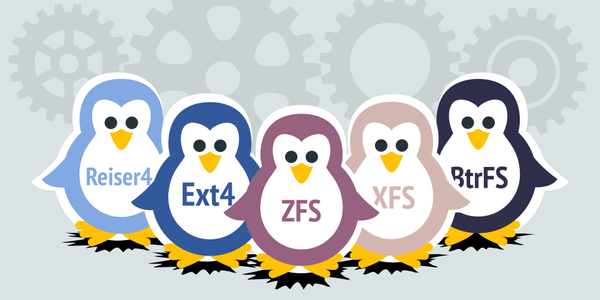
In Linux, everything is considered a file, including devices and system resources.
devops
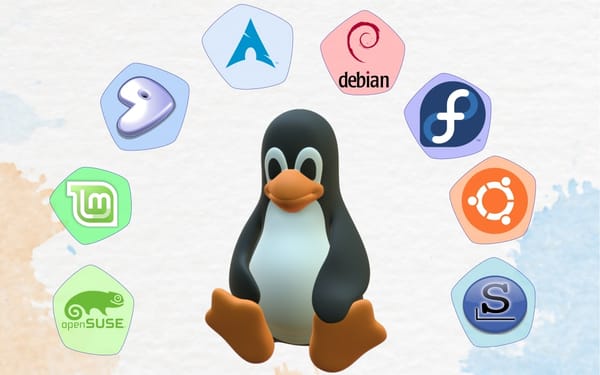
Linux is a free, open-source operating system (OS) based on UNIX created by Linus Torvalds in 1991.

devops
Think of the Linux Kernel as the heart of the Linux operating system, pumping life into your computer.
devops
At its core, Docker is an open-source platform designed to facilitate the process of containerization. It enables developers to package an application along with its libraries, dependencies, and other requirements within a standalone unit known as a container.

devops
Tekton is an open-source project that provides Kubernetes-style resources for declaring CI/CD-style pipelines.
devops
Google Cloud Storage was publicly launched in 2010 as a competitor to other cloud-based storage services such as Amazon S3.

devops
OpenFaaS is an open-source platform that makes it easy for developers to deploy event-driven functions and microservices to Kubernetes without repetitive, boiler-plate coding.