
Harbor: Install Open Source Container Registry on Kubernetes
Harbor is an open-source container registry that helps developers and organizations store, manage, and distribute container images and Helm charts.
Harbor is an open-source container registry that helps developers and organizations store, manage, and distribute container images and Helm charts.

To guarantee seamless, repeatable builds and production deployments, it is essential to write effective, safe, and maintainable Dockerfiles. Hadolint, a Dockerfile linter, is one tool that aids with this endeavor.

Large images not only consume more resources, but they can also slow down deployment times and introduce security risks. This is where Slim Toolkit comes into play.
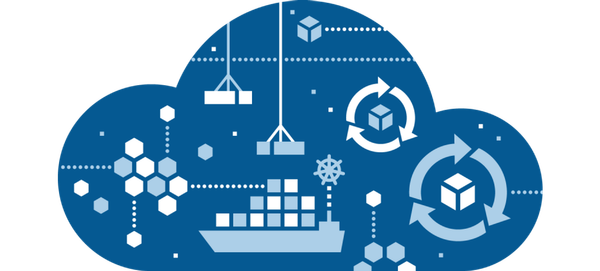
The appeal of Kubernetes lies in its ability to automate the management of containers, scale applications effortlessly, and provide high levels of resilience and availability. As a result, many assume that Kubernetes is the best way to deploy every application.

The cloud has revolutionized the way businesses deploy and scale their applications, but as usage grows, so do the costs. One of the key aspects that many companies overlook is the optimization of cloud resources and pricing models.

Security lifecycle management is the practice of securing and protecting digital assets through a structured, ongoing process.

A private cloud offers businesses full control over their data, a more predictable cost structure, and the ability to leverage cutting-edge open-source technologies.

Unlike traditional models, which assume trust within the network perimeter, Zero Trust adheres to the principle of “never trust, always verify.”
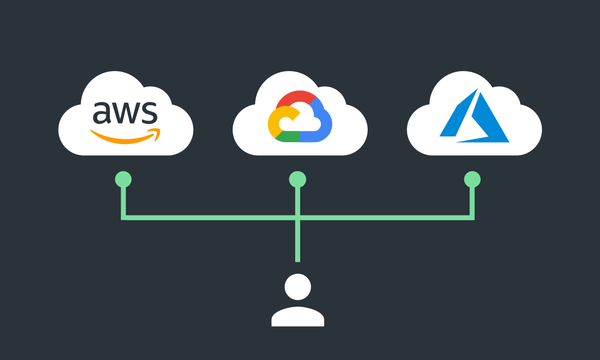
Vendor-agnostic design ensures that organizations can migrate between cloud providers or move to private clouds with minimal disruption, offering freedom and flexibility in managing their infrastructure.
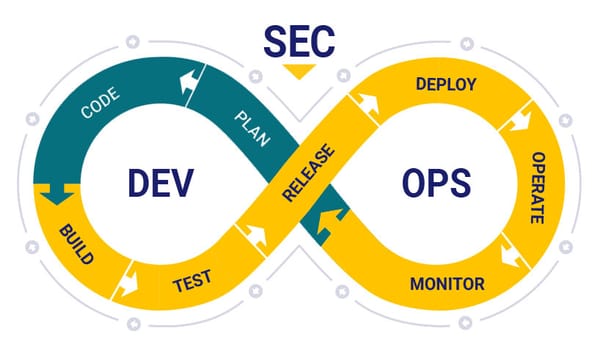
Integrating security into every phase of the Software Development Life Cycle (SDLC) is crucial to ensure that vulnerabilities are identified and addressed early, preventing potential breaches and attacks in the future.

With increasing cloud costs and the growing need for control over infrastructure, many organizations are exploring on-premises solutions. For us, the solution was Kubernetes on bare-metal servers—a challenging but rewarding journey

In our increasingly digital world, cybersecurity is not just a luxury but a necessity. As we rely on digital assets and online infrastructures to manage information, store sensitive data, and run essential services, these systems become prime targets for cybercriminals.

devops
Ceph is an open-source distributed storage system designed to provide a unified solution for object, block, and file storage

devops
As organizations embrace containerization and cloud-native architectures, the demand for robust, persistent storage solutions within Kubernetes environments grows rapidly. One of the standout solutions in this space is Longhorn

devops
Kubernetes has become the de facto solution for orchestrating containerized applications in cloud and data center environments. One such solution is k3s, a lightweight Kubernetes distribution developed by Rancher Labs
devops
MetalLB has quickly become a vital tool for organizations running Kubernetes clusters in bare-metal environments
kubernetes
Talos Linux, developed by Sidero Labs, addresses these challenges by providing a minimalistic, secure, and immutable operating system explicitly designed to run Kubernetes efficiently on bare metal

vagrant
Vagrant, a tool designed to create and manage virtualized development environments, has become a cornerstone for many developers seeking to streamline their workflows
docker
Docker Swarm is a native clustering and orchestration tool for Docker containers.

linux
In recent years, containerization has revolutionized the way software is developed, deployed, and managed. Containers offer lightweight, isolated environments that enable applications to run consistently across various environments, making them an attractive alternative to traditional VM
infrastructure as code
Packer is designed to simplify the creation of machine images for multiple platforms from a single source configuration.
infrastructure as code
Designed to facilitate the automation of configuration management, application deployment, and task automation, Ansible has become a cornerstone of modern IT practices

pulumi
Over the years, several IaC tools have emerged, each with its own strengths and weaknesses. Among these, Pulumi has gained significant attention for its unique approach and capabilities.

vault
With cyber threats on the rise, organizations must prioritize robust secrets management to protect their critical information. HashiCorp Vault emerges as a leading solution, offering a comprehensive platform to manage secrets and ensure data security.